
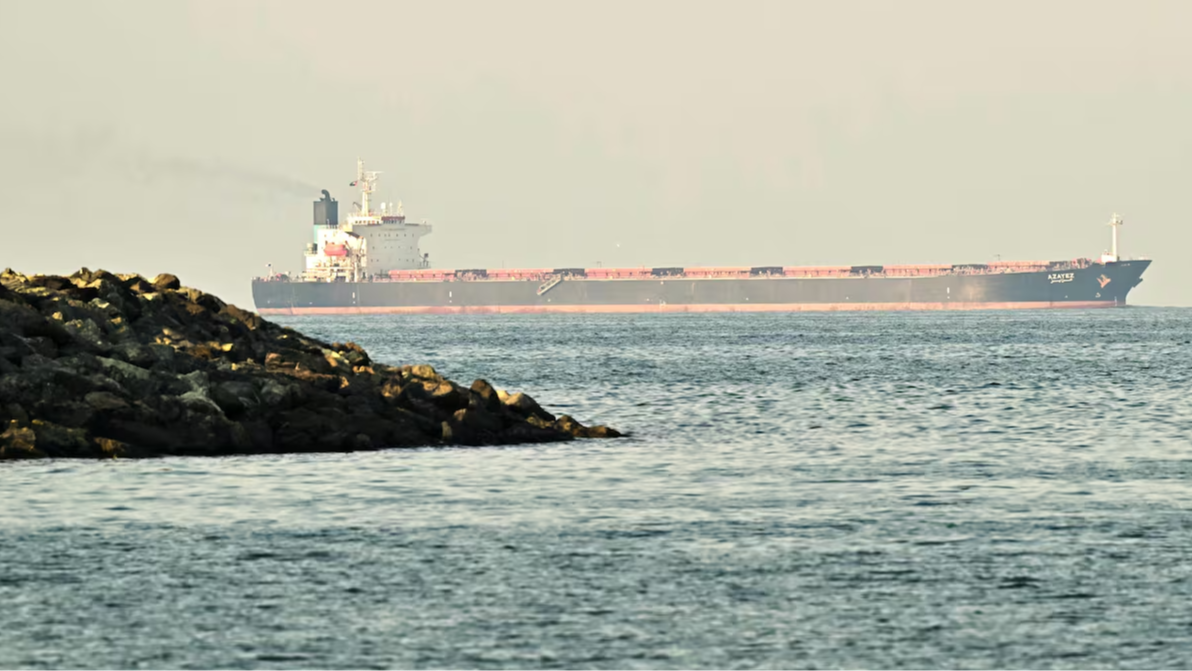
Yesterday, Iran and the United States announced an agreement to end nearly four months of war. The Strait of Hormuz, paralyzed since late February, is expected to reopen within 30 days. That's good news. But negotiations continue for another 60 days, and several key points remain unresolved.
While diplomats negotiate, it's worth pausing to consider what this crisis has revealed, not as geopolitical analysis, but as a concrete lesson for Canadian manufacturers.
Four Months That Changed Everything
Since late February, the Strait of Hormuz has been blocked by Iran, paralyzing 20% of the world's oil supply, with the price of oil settling durably above $100 per barrel. Major shipping companies like Maersk, Hapag-Lloyd and CMA CGM are now routing around Africa, adding up to two weeks to delivery times.
For manufacturers who depend on imported raw materials, components or equipment, these four months have been an intensive course on the vulnerability of global supply chains. Extended delays, exploding transport costs, rising maritime insurance premiums: every disruption translated into real costs, often difficult to absorb.
Economic Sovereignty and Industrial Resilience: Two Sides of the Same Reality
What this crisis highlights connects directly to what the Canadian government has been expressing for months in its economic strategy: sovereignty isn't just a military or political question. It's also an industrial one.
A sovereign country is one that can produce, source and deliver even when the world falls into disarray. And a resilient company is one that isn't entirely at the mercy of a 39-kilometre maritime passage on the other side of the world.
These two realities converge on the same practical question for manufacturing SMEs: what portion of my supply chain could be anchored locally, without sacrificing quality or competitiveness?
This isn't a theoretical question. It's a strategic decision that many manufacturers have already begun to make, and one the Hormuz crisis has made urgent for many others.
Matchmaking as a Concrete Response
Finding reliable local suppliers, identifying partners who can absorb part of the production load during a disruption, sharing resources to reduce transport costs: these are concrete actions that strengthen both company resilience and the economic sovereignty of the broader ecosystem.
That's exactly what CVDM facilitates every day. Our matchmaking tool helps manufacturers find the right partners in their regional and national ecosystem, before the next crisis arrives. Because a supply chain built under pressure always costs more than one patiently woven over time.
Yesterday's agreement is good news. But the next global disruptions will come. The question isn't if, it's when.
Want to explore what matchmaking could bring to your supply chain? We'd love to talk.
Sources: Radio-Canada, RTS, Slate.fr, Le Diplomate, June 15, 2026
Photo: Getty Images / AFP / Giuseppe Cacace
Are you a CVDM member with good news to share? Reach out to us!