
June reminded us of something essential: visibility alone is not enough if you don’t know who you need to be visible to. This month’s conversations kept circling back to the same question, phrased differently depending on the person, but always the same at its core: how do you find the right partners, and how do you make sure they find you? It is in that spirit that CVDM approaches July under the theme of supply chains. Because visibility is only worth something when it leads to real connections.
A Context That Demands New Responses
In 2026, the reality is clear: supply chains designed for stability and maximum efficiency are showing their limits in a constantly shifting environment. Tariffs imposed by the United States have rattled commercial models optimized over more than thirty years. Labour disruptions in the rail freight sector in 2024 were a stark reminder of how any single link in the chain can become a point of fragility. And the anticipated renegotiation of CUSMA in July adds yet another layer of uncertainty.
In this context, many Canadian manufacturers are reassessing relationships with their suppliers, diversifying their sourcing, and turning more decisively toward local and regional partners. This trend toward "nearshoring" is not merely a defensive reaction: it is an opportunity to build stronger, more durable, and more agile ties within Canada's own industrial ecosystem.
Knowing Your Potential Partners Is Already Preparing
One of the most common vulnerabilities among manufacturing SMEs is neither technical nor financial: it is a lack of visibility into what already exists within their own ecosystem. How many companies are searching for a nearby supplier without knowing one is a few dozen kilometres away? How many prime contractors miss out on specialized subcontractors simply because they have no simple way to find them?
This is precisely where structured matchmaking takes on its full meaning. By making each member company's capabilities and needs visible, CVDM helps create the conditions for a more resilient supply chain, not by dictating solutions, but by facilitating the connections that allow each actor to find the right partners at the right moment.
Resilience Is Built Through Relationships, Not Just Logistics
Experts agree on one point: diversifying your supplier base is one of the most effective levers for absorbing disruptions. But diversifying starts with knowing. And knowing starts with being known.
The current turbulence is not only a source of risk. For companies that know how to position themselves and develop their business relationships, it represents a genuine window of opportunity. Supply chains are being reconfigured, prime contractors are looking for new partners, and the SMEs with strong visibility within their ecosystem are the first to benefit from these shifts.
In uncertain times, the next contract often comes from a relationship already in progress. It is never too early to start.
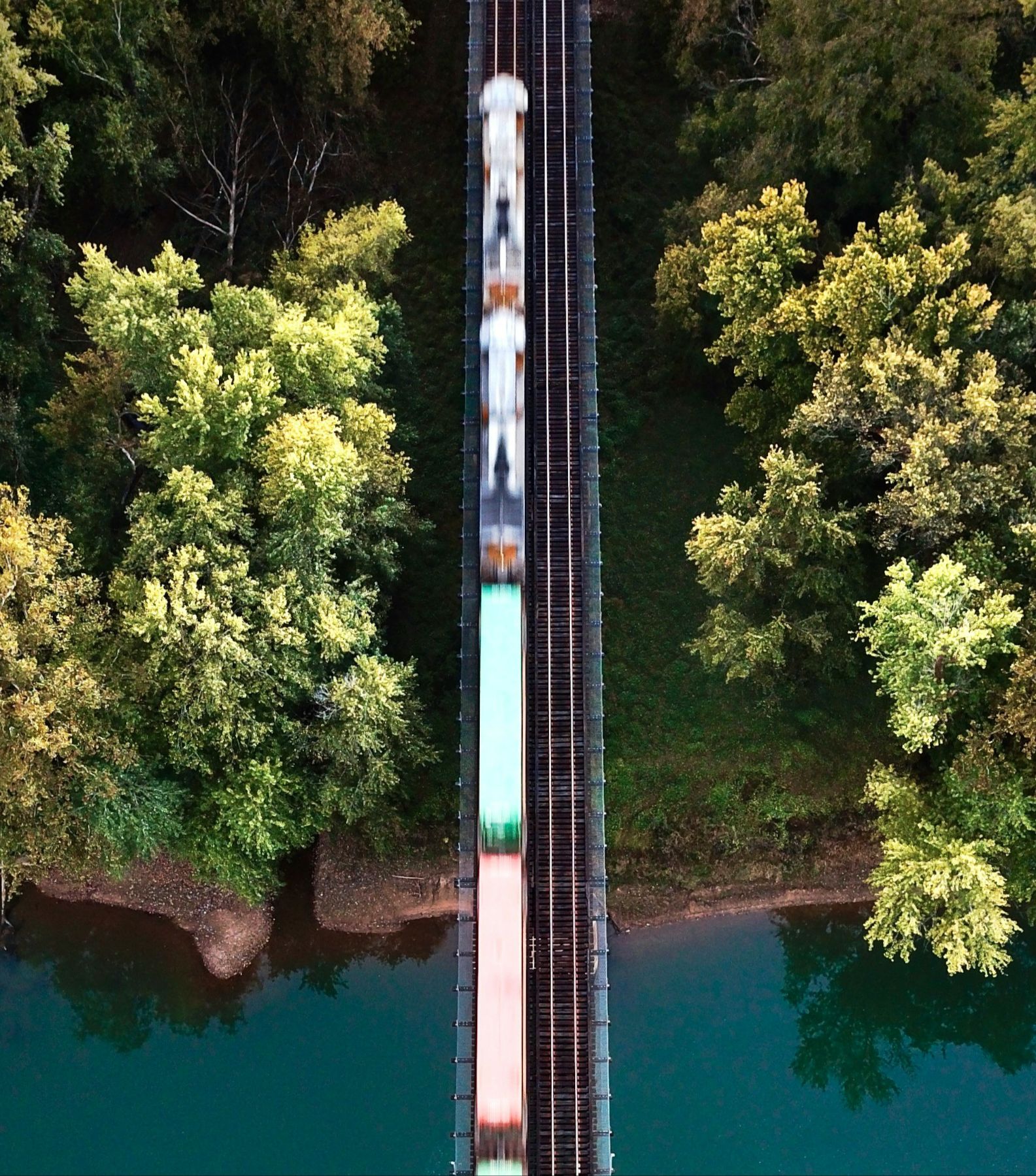
Photo: Unsplash / Sid Suratia
Source: Deloitte Canada, Built for Stability, Tested by Turbulence: The New Reality of Global Supply Chains (June 2026)
Would you like to raise your company's profile within the Canadian manufacturing ecosystem, or explore new connection opportunities? Become a member !
Are you a CVDM member with good news to share? Reach out to us !